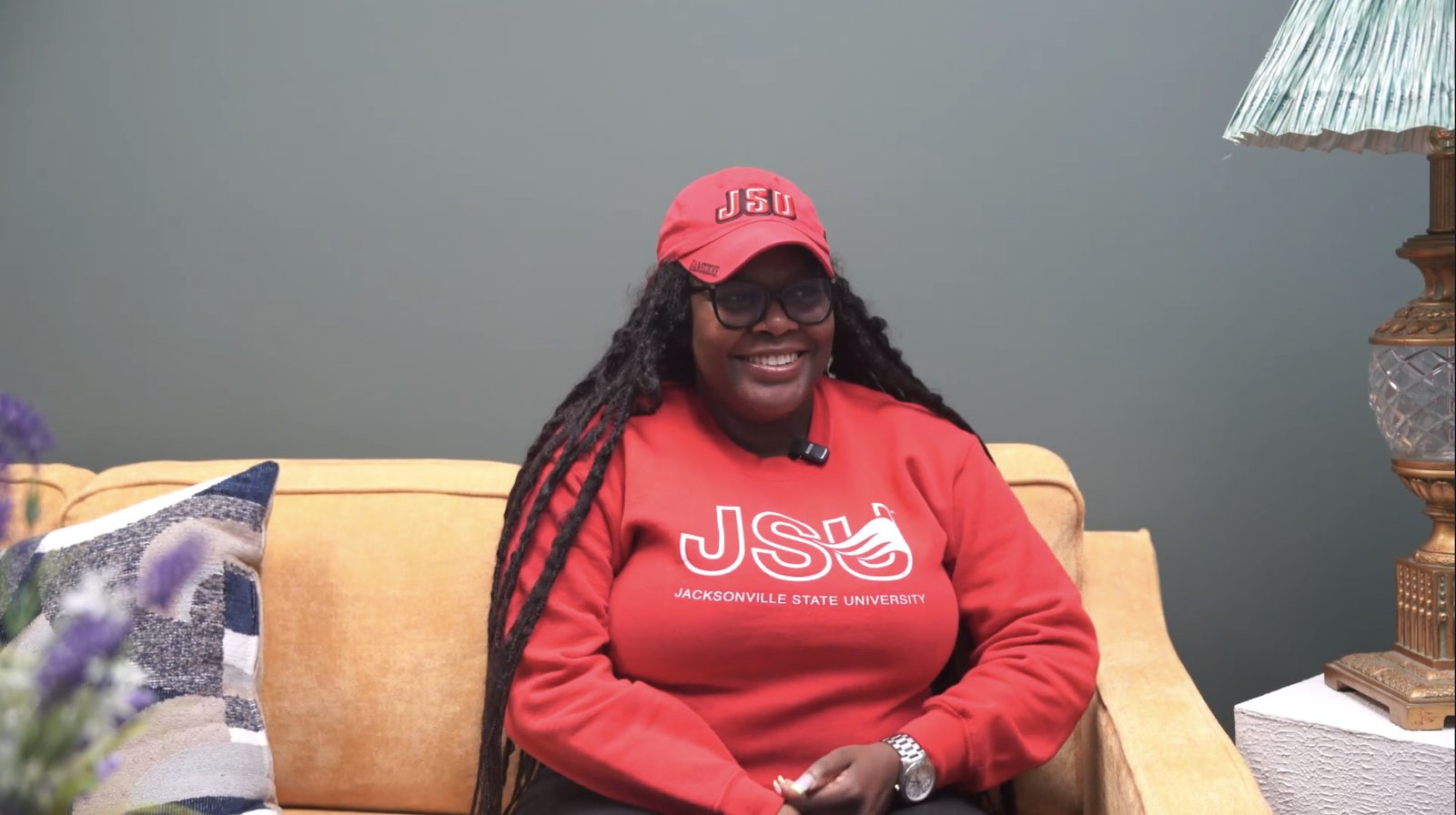
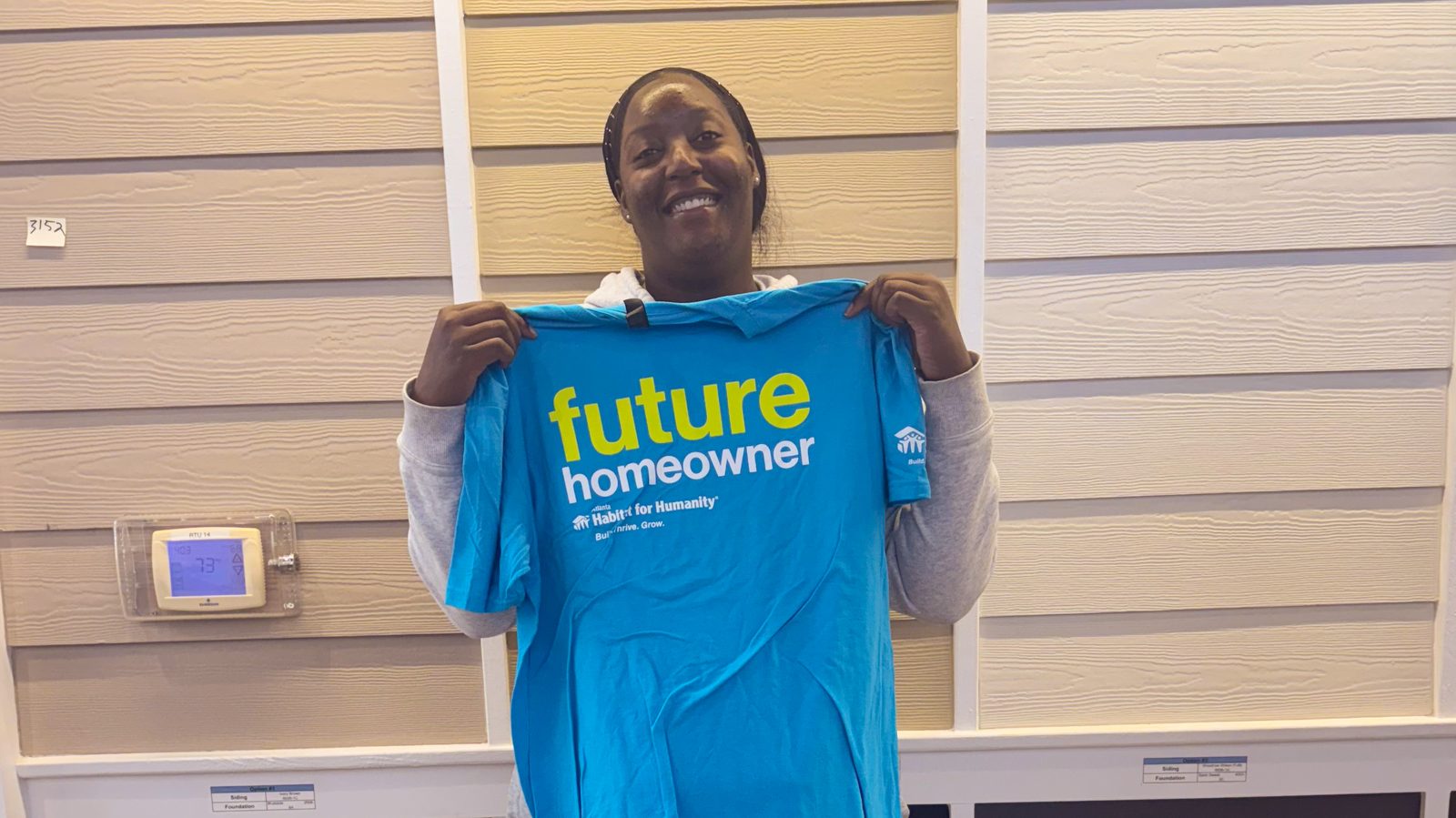
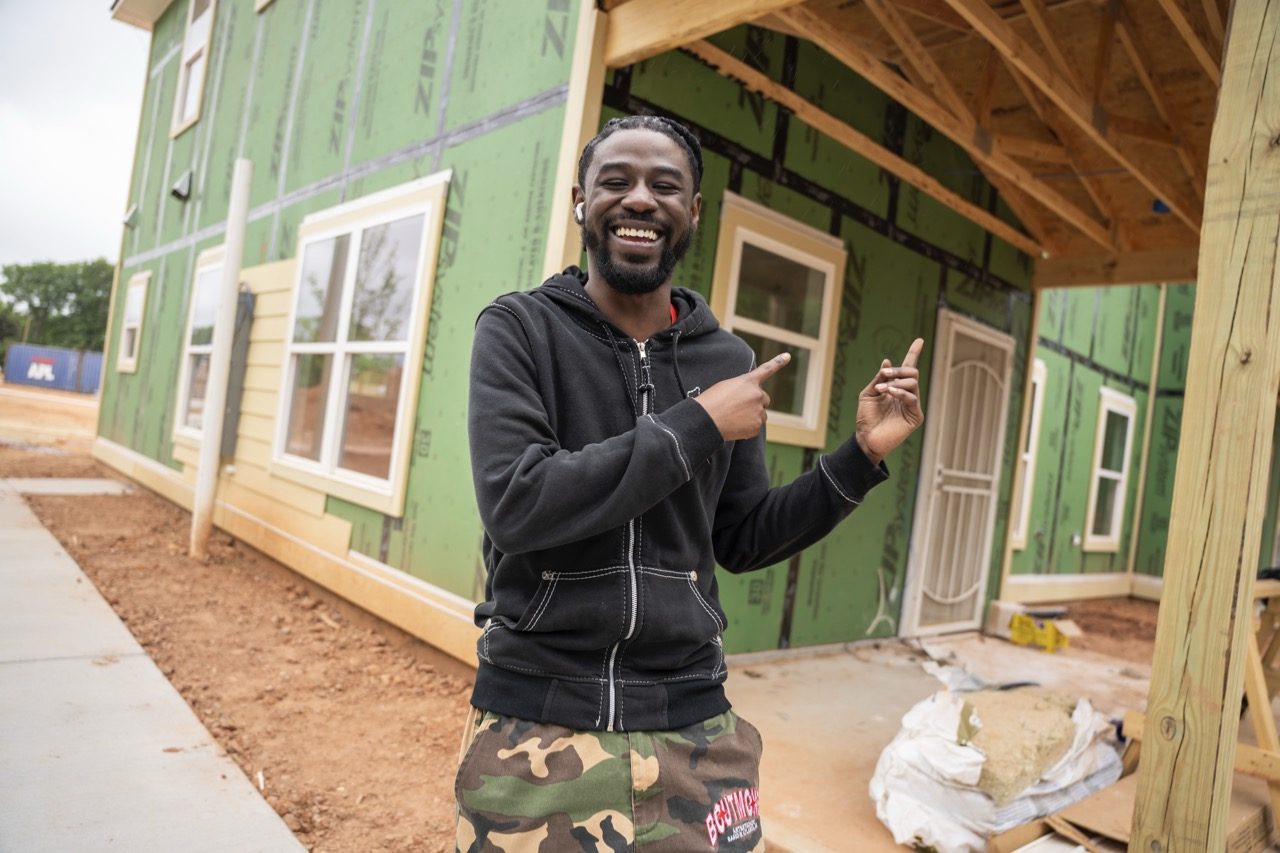
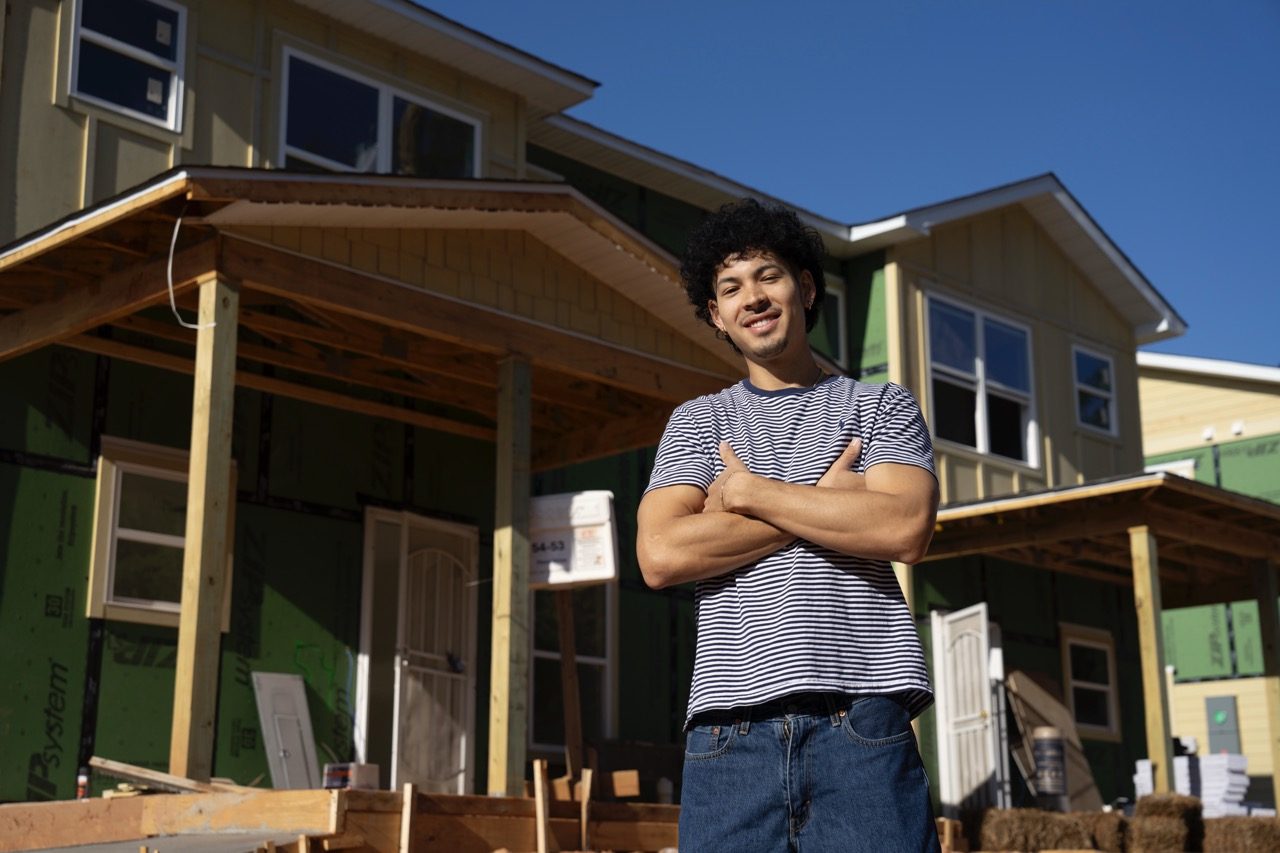
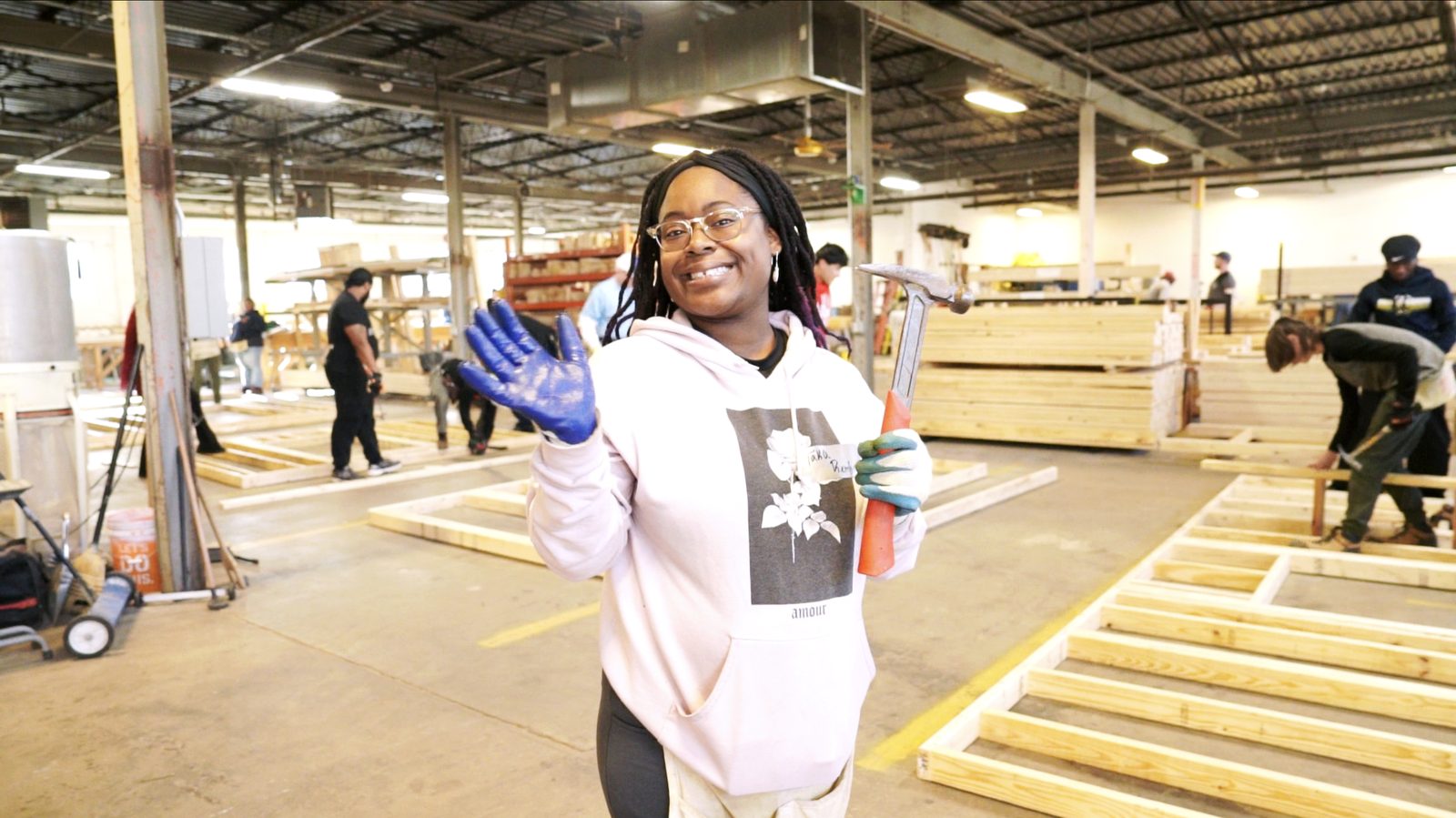
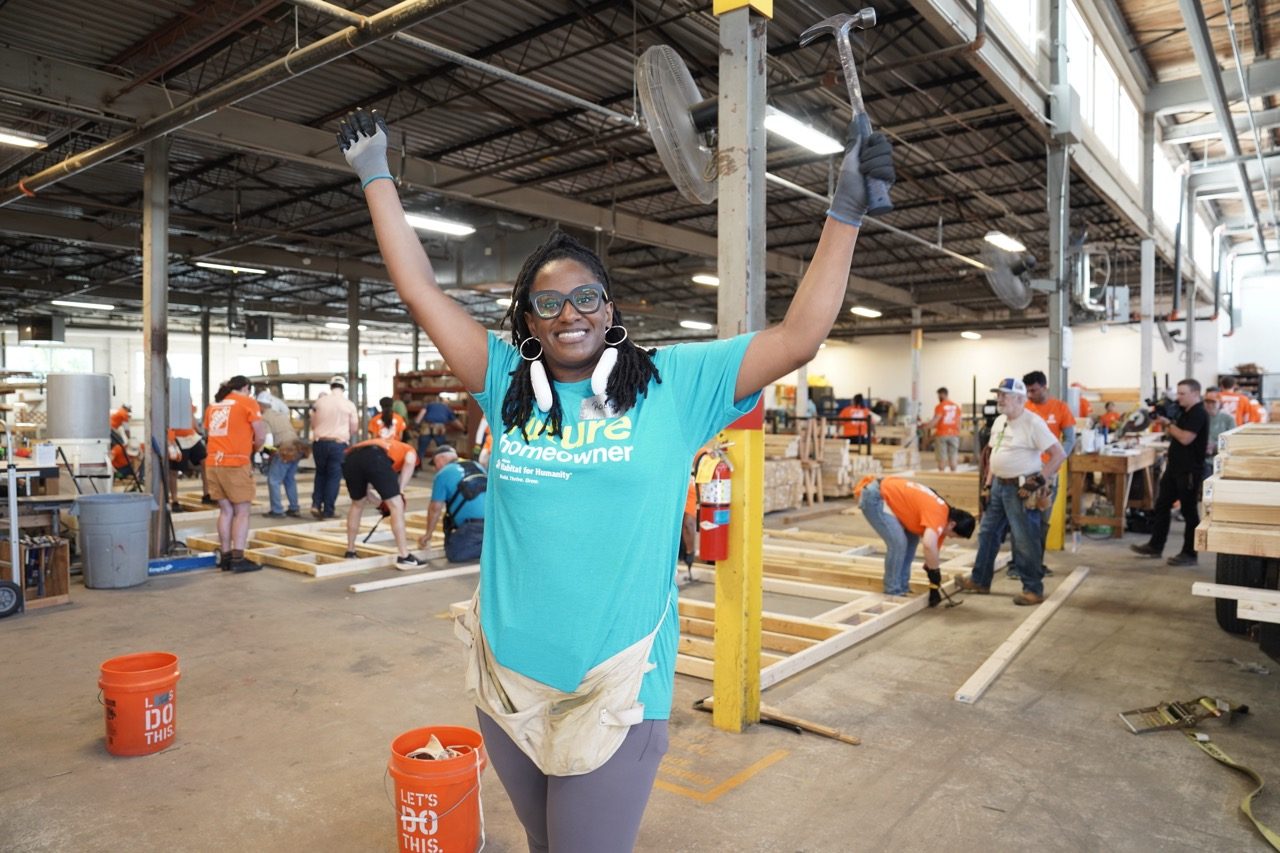
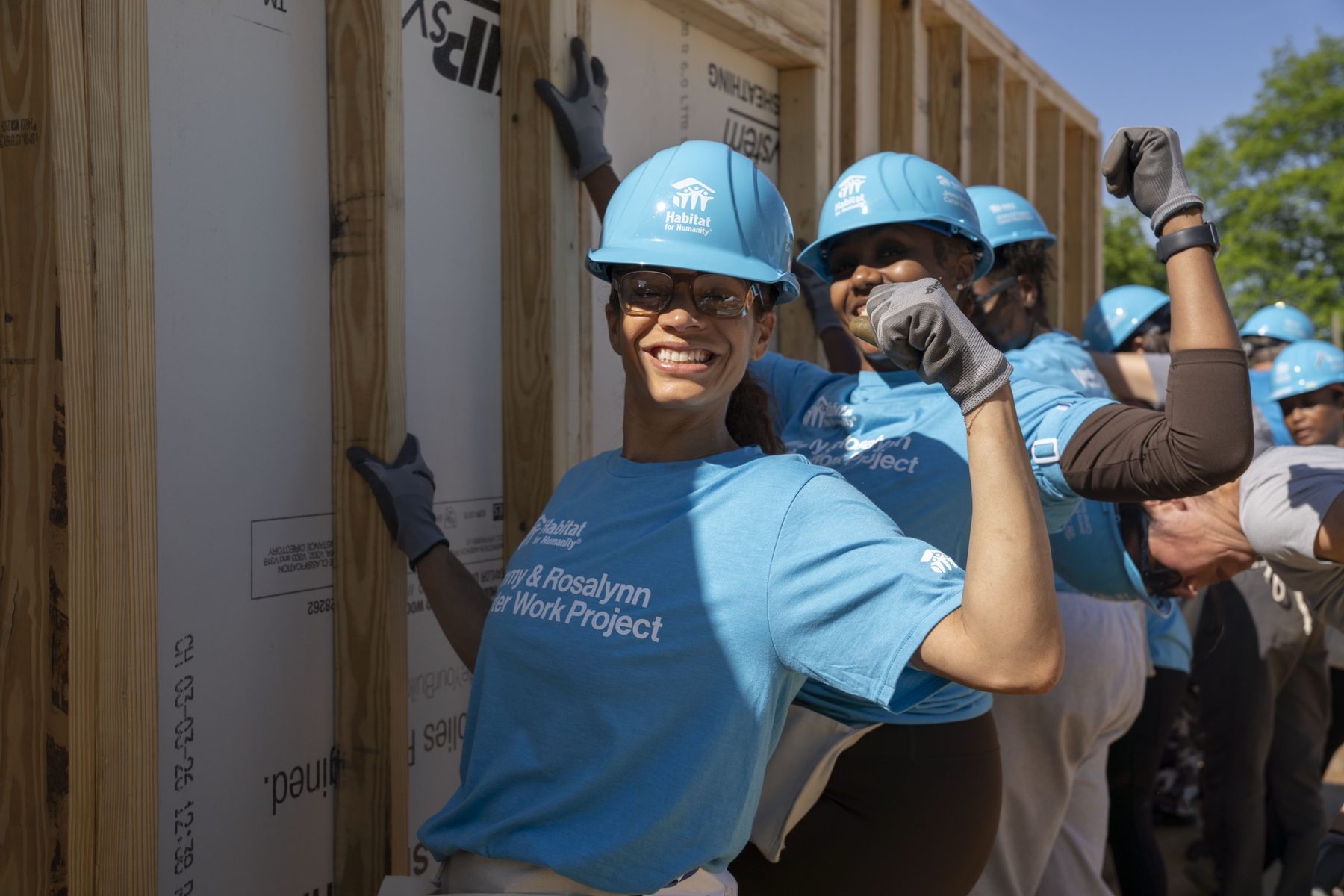
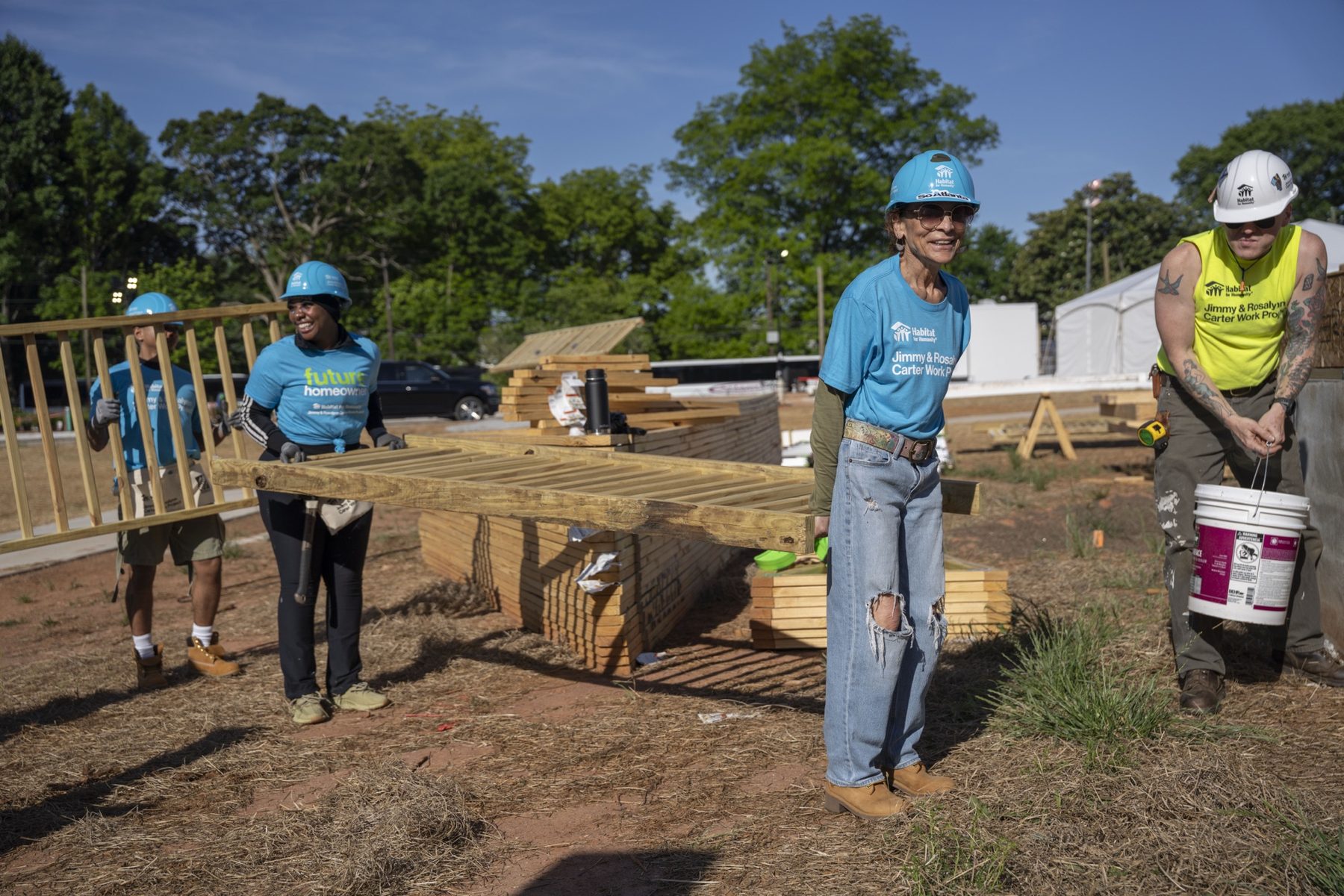
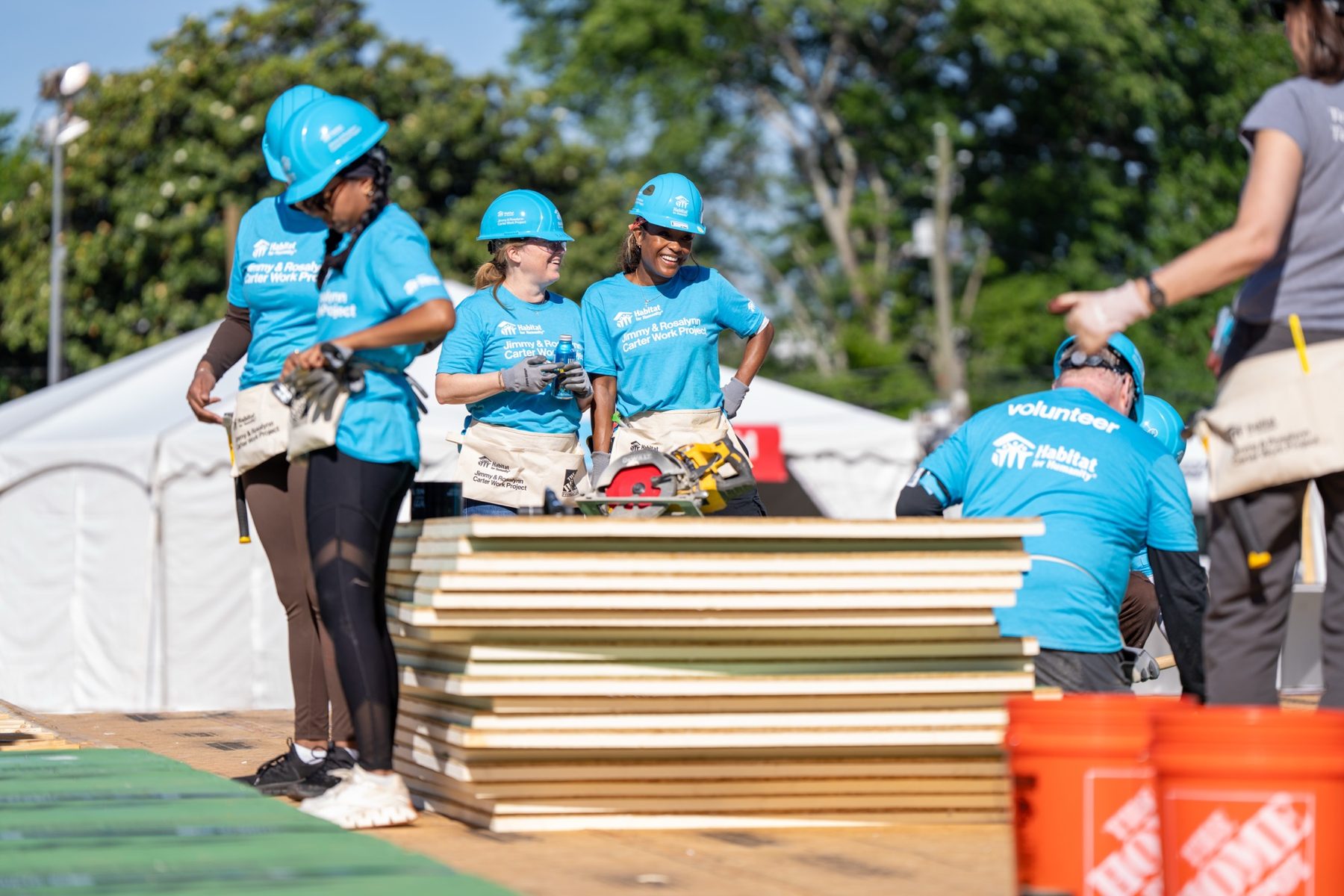
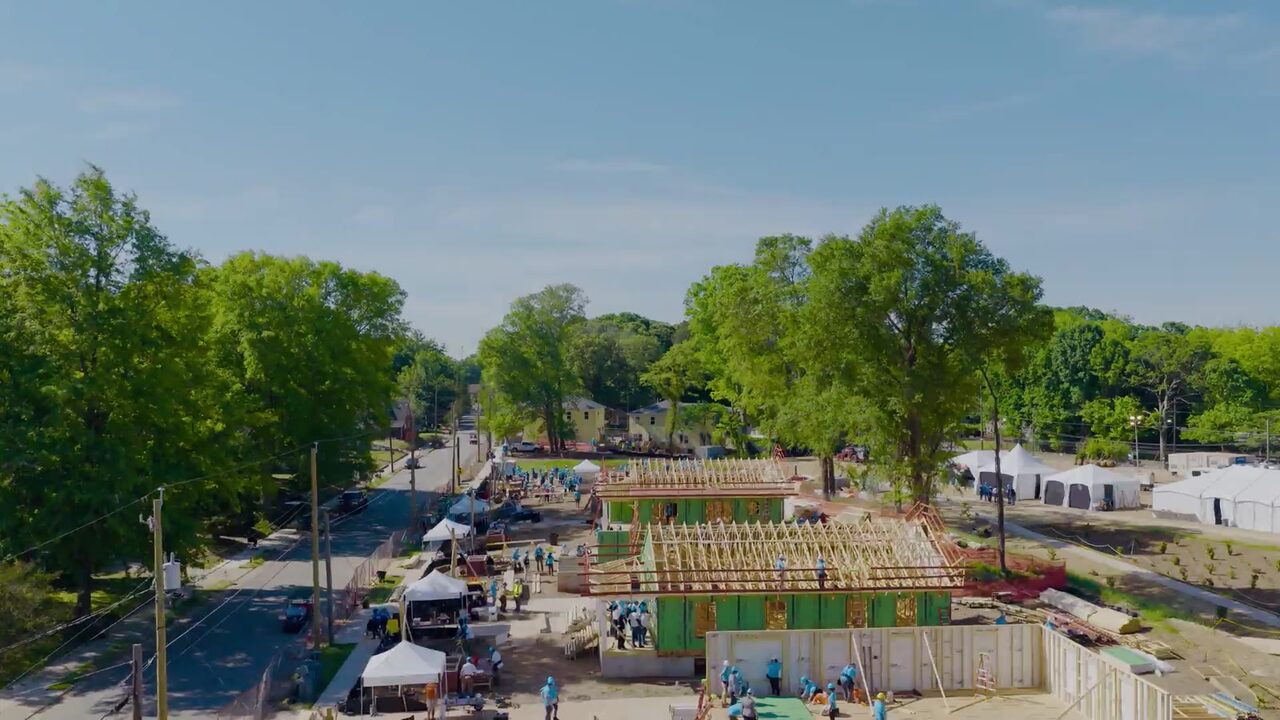
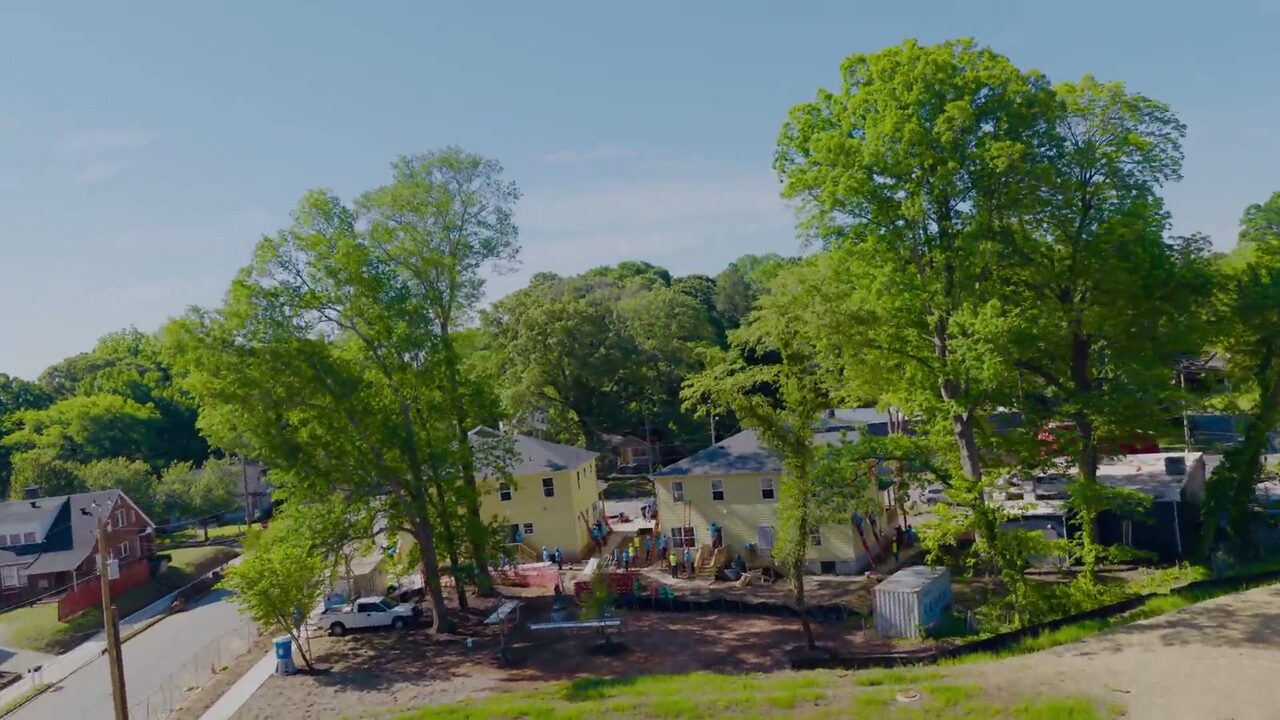
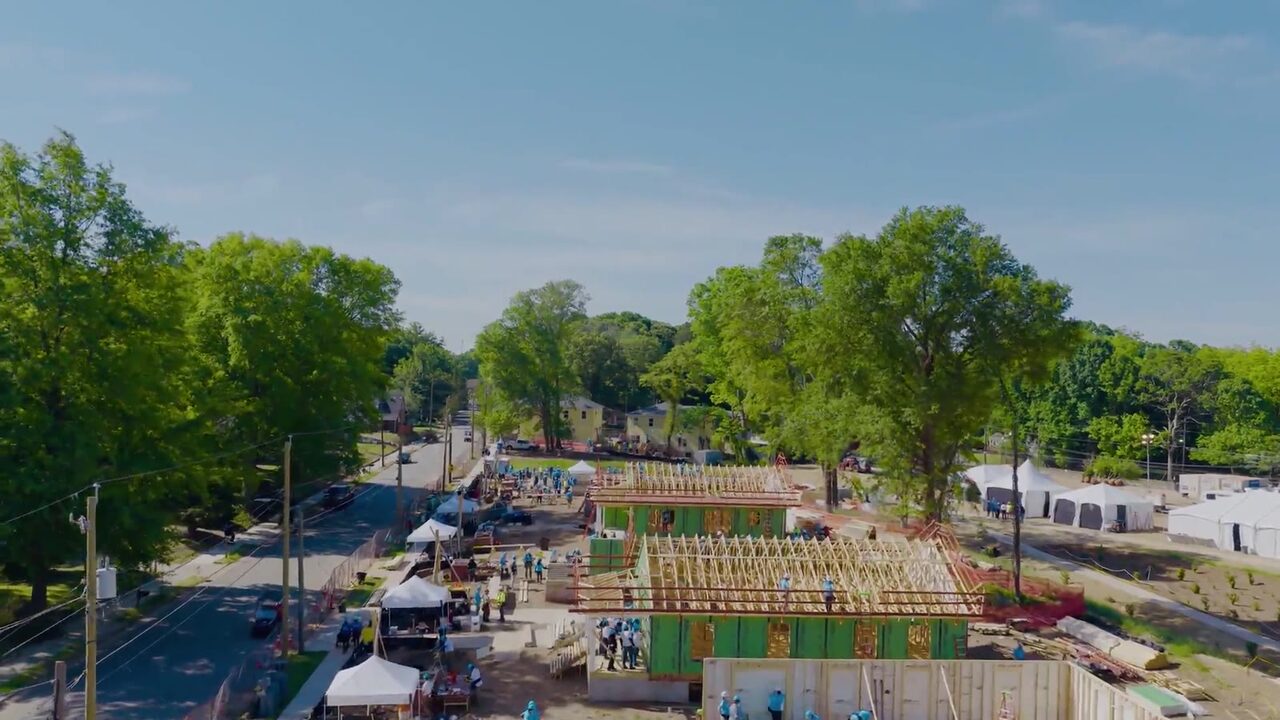
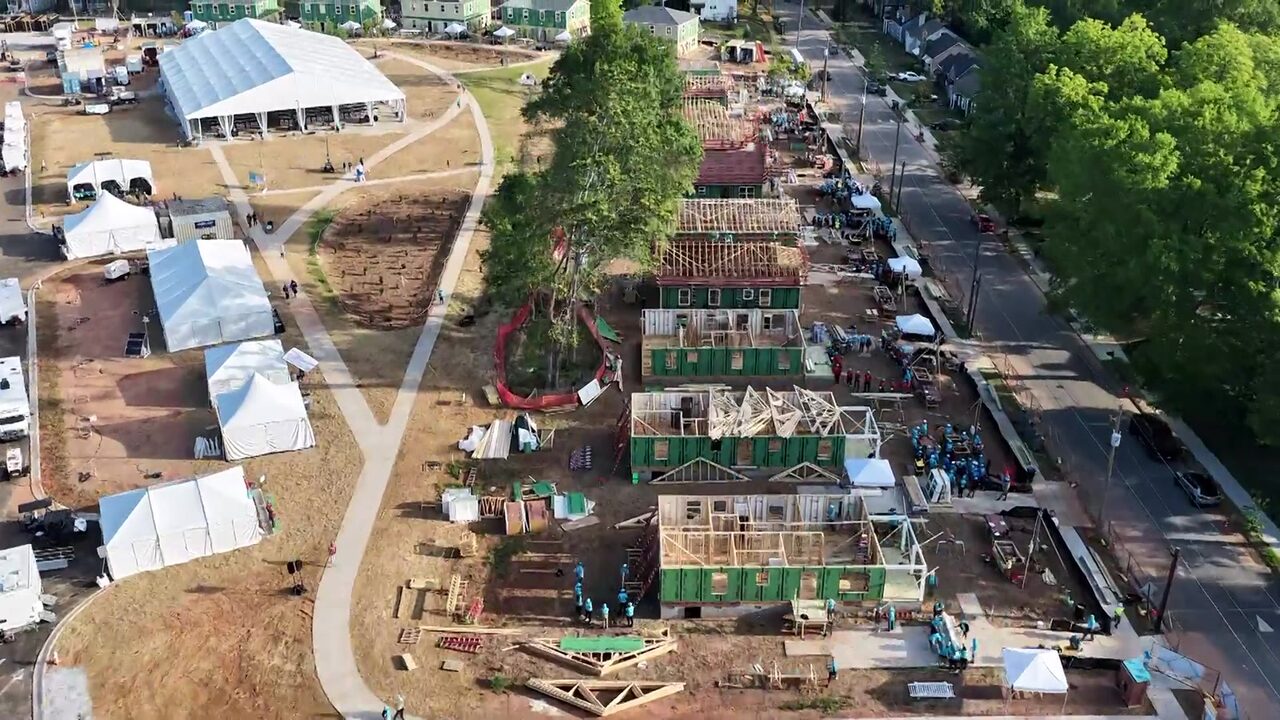
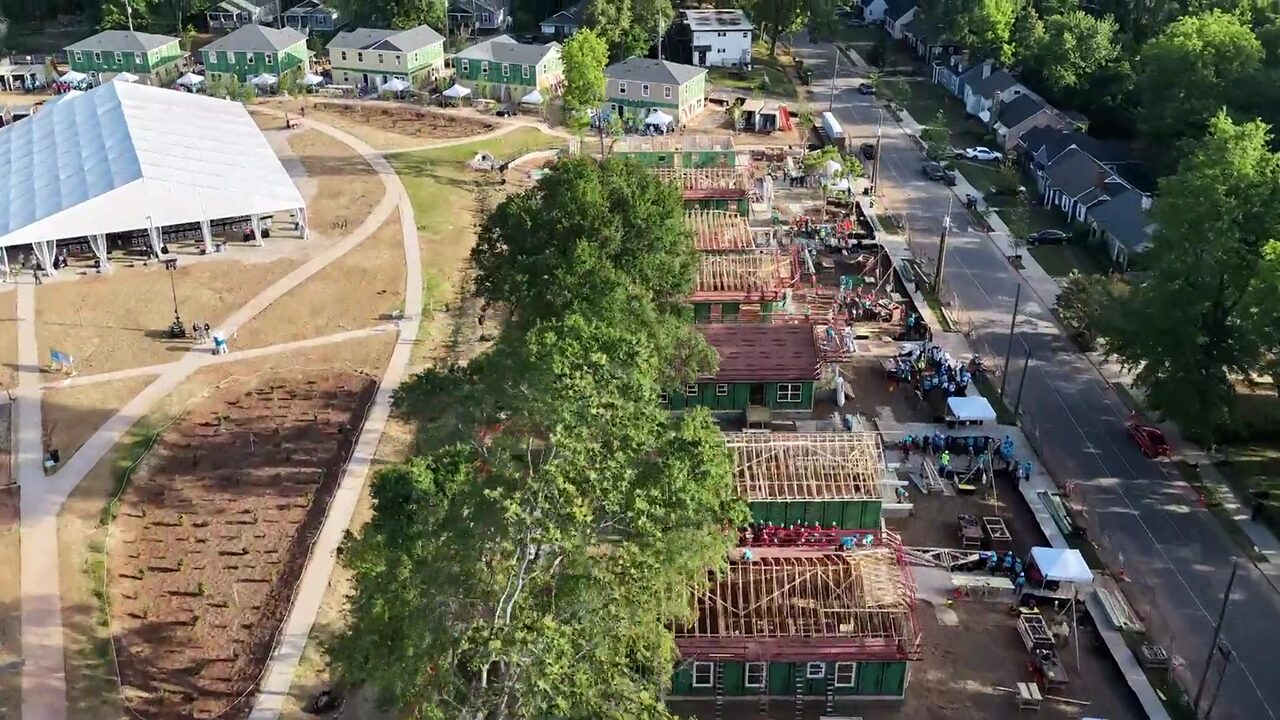
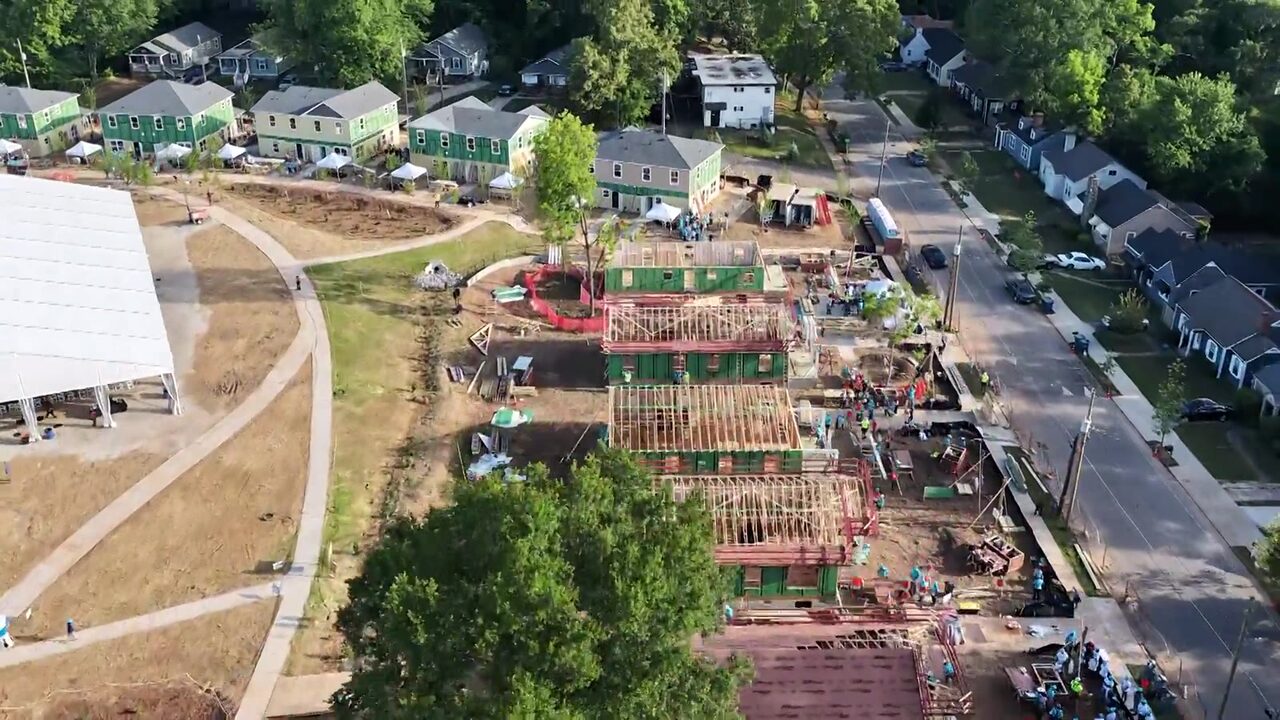
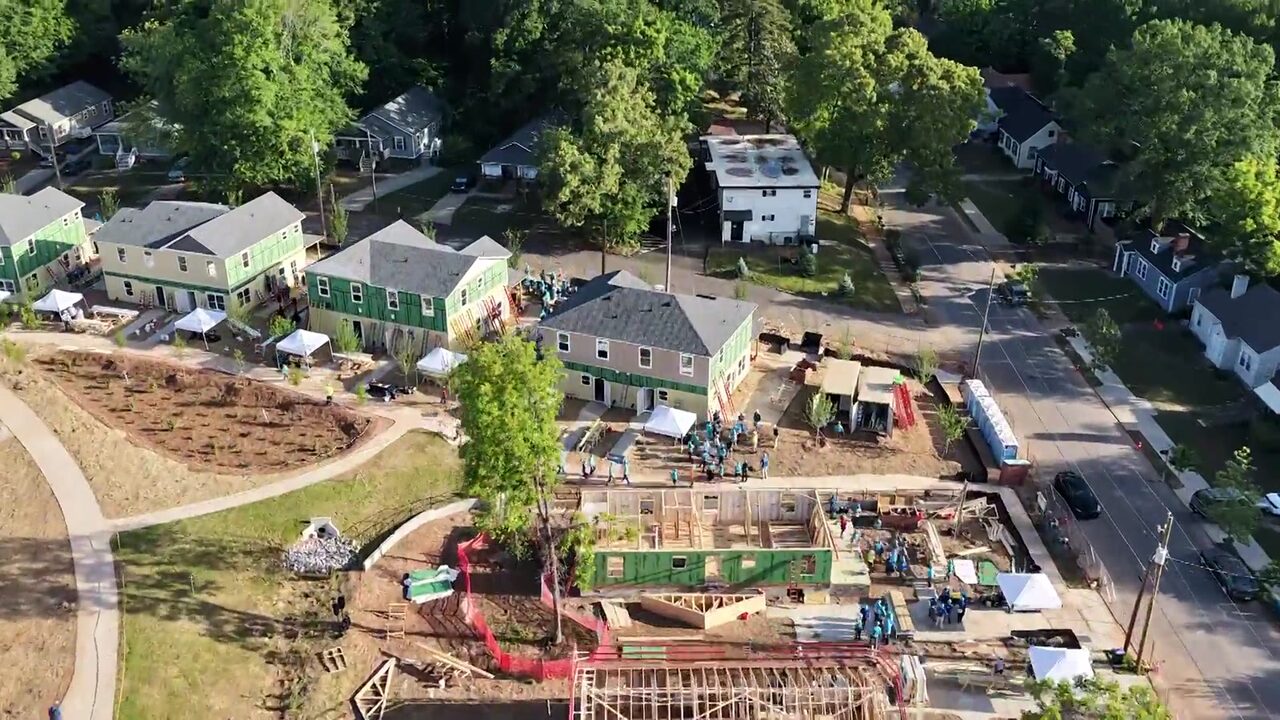
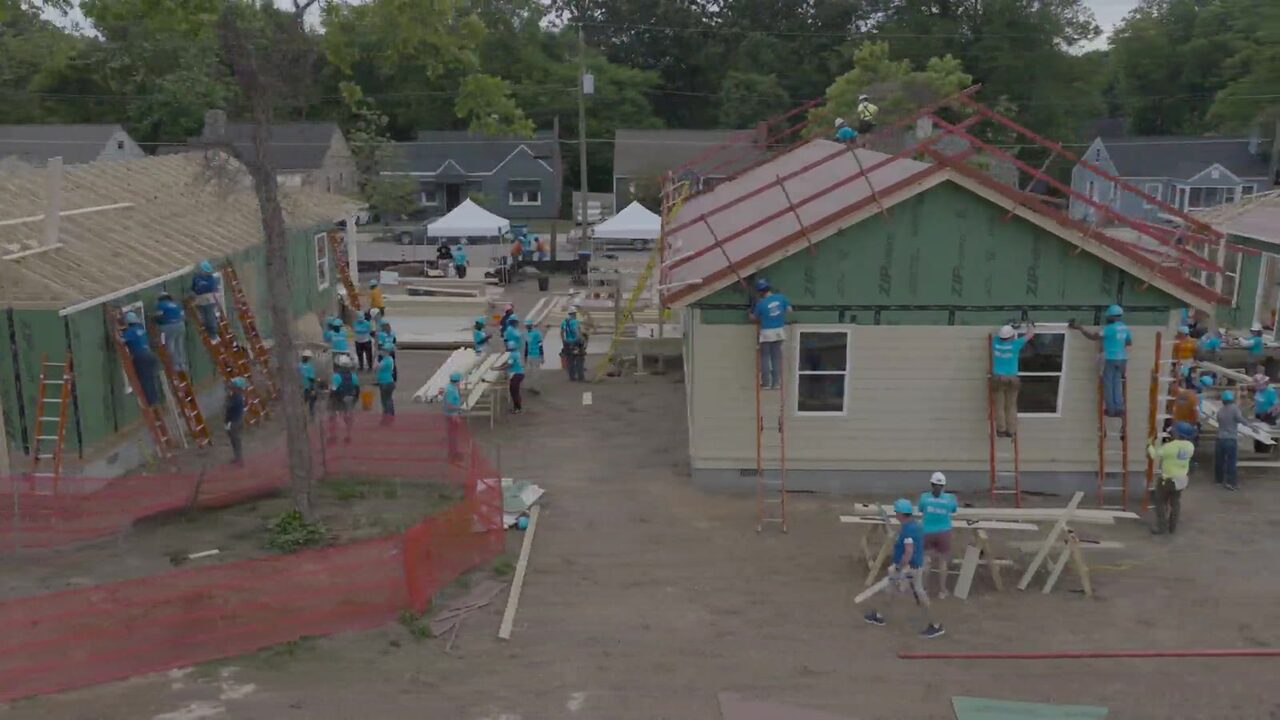
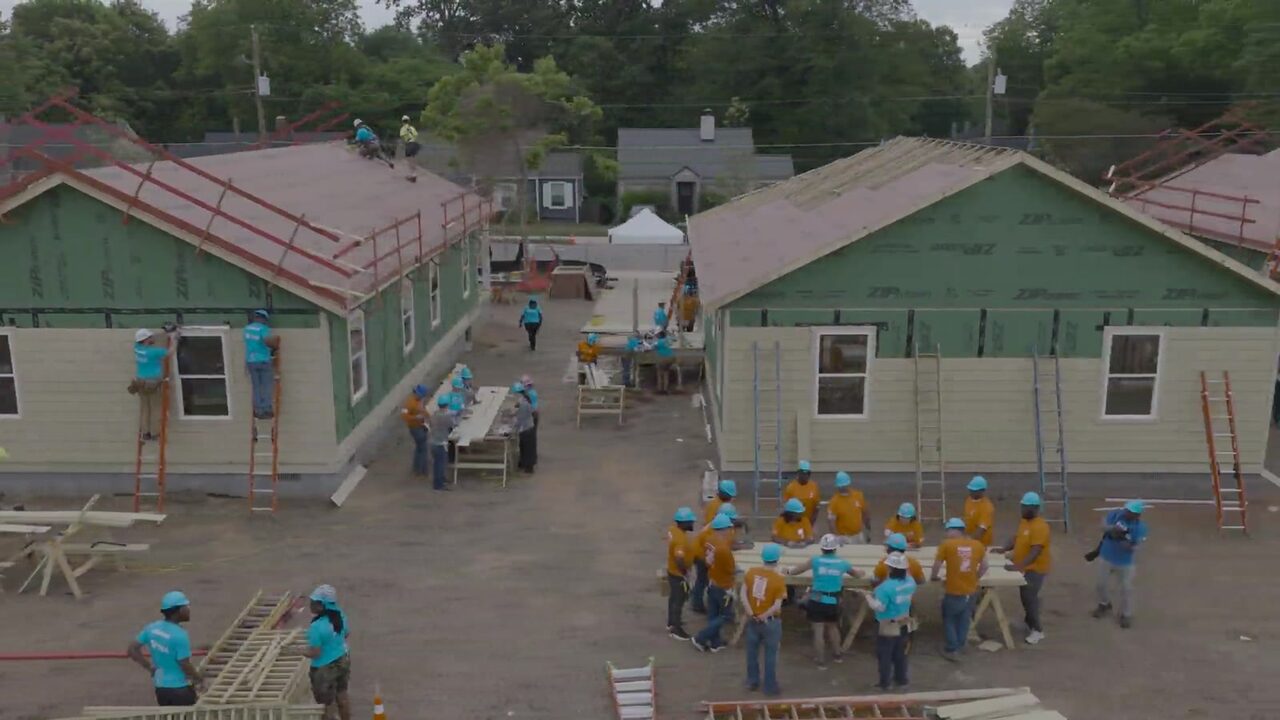
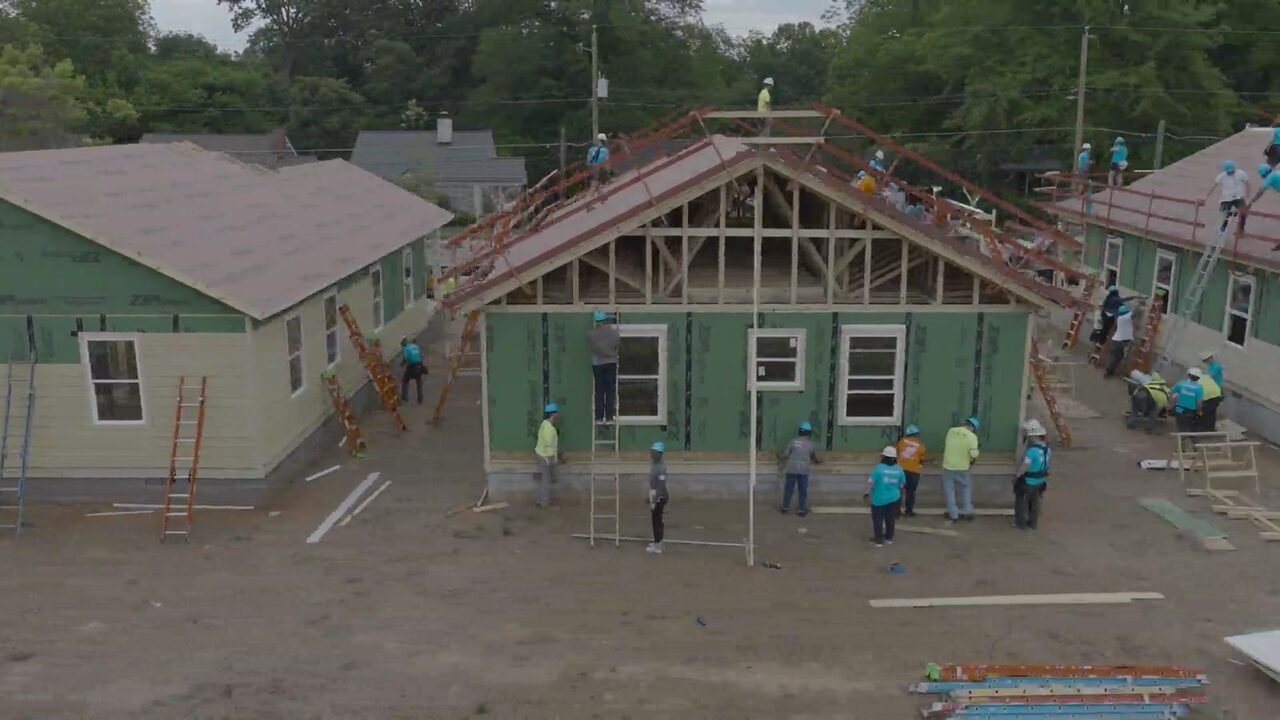
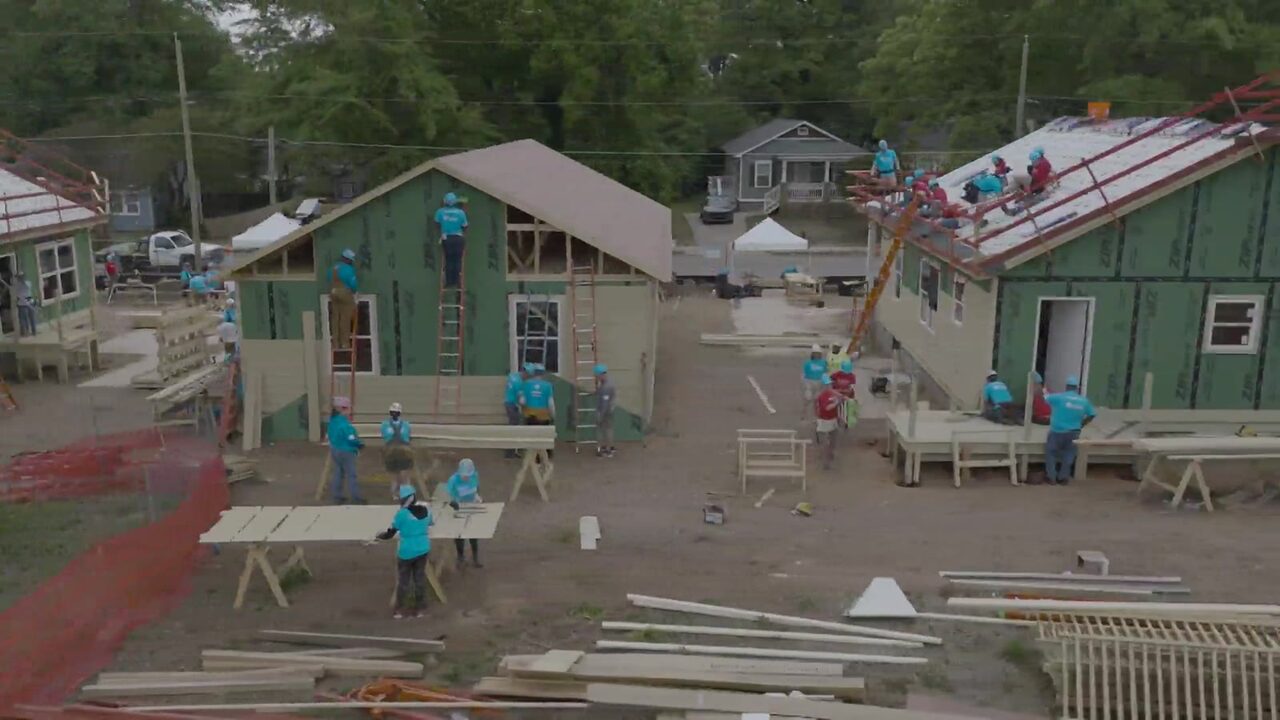
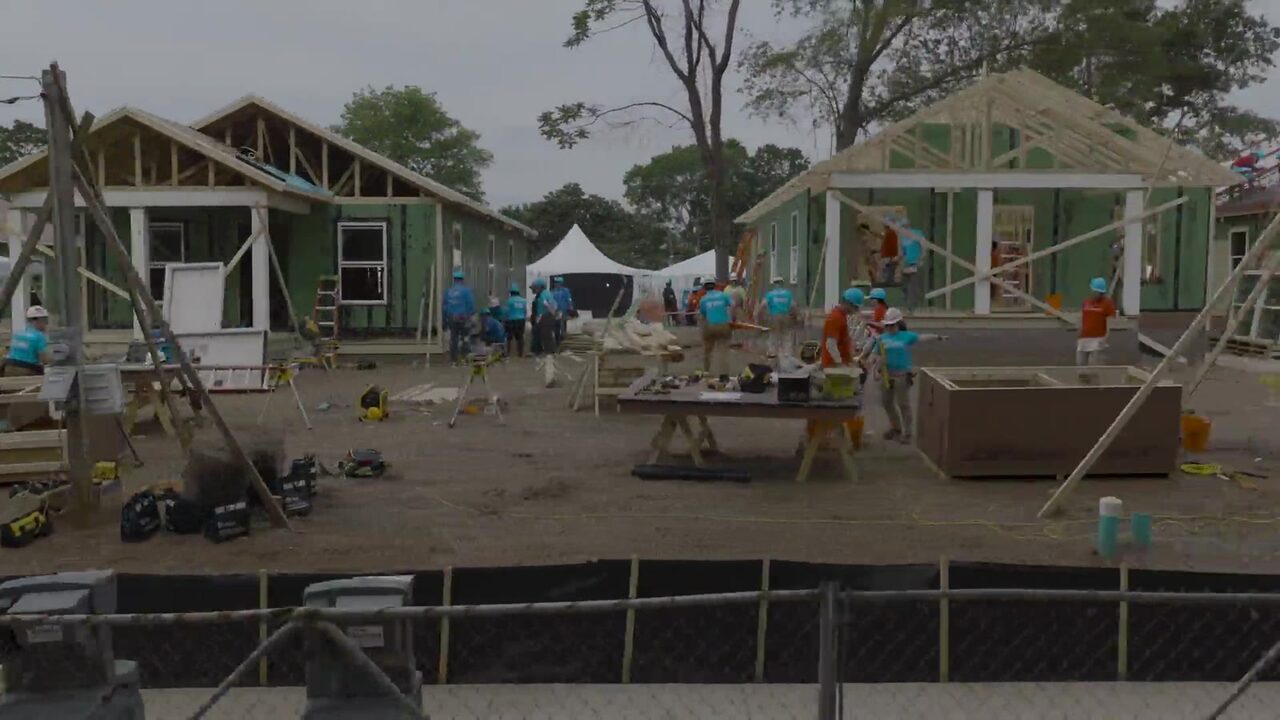
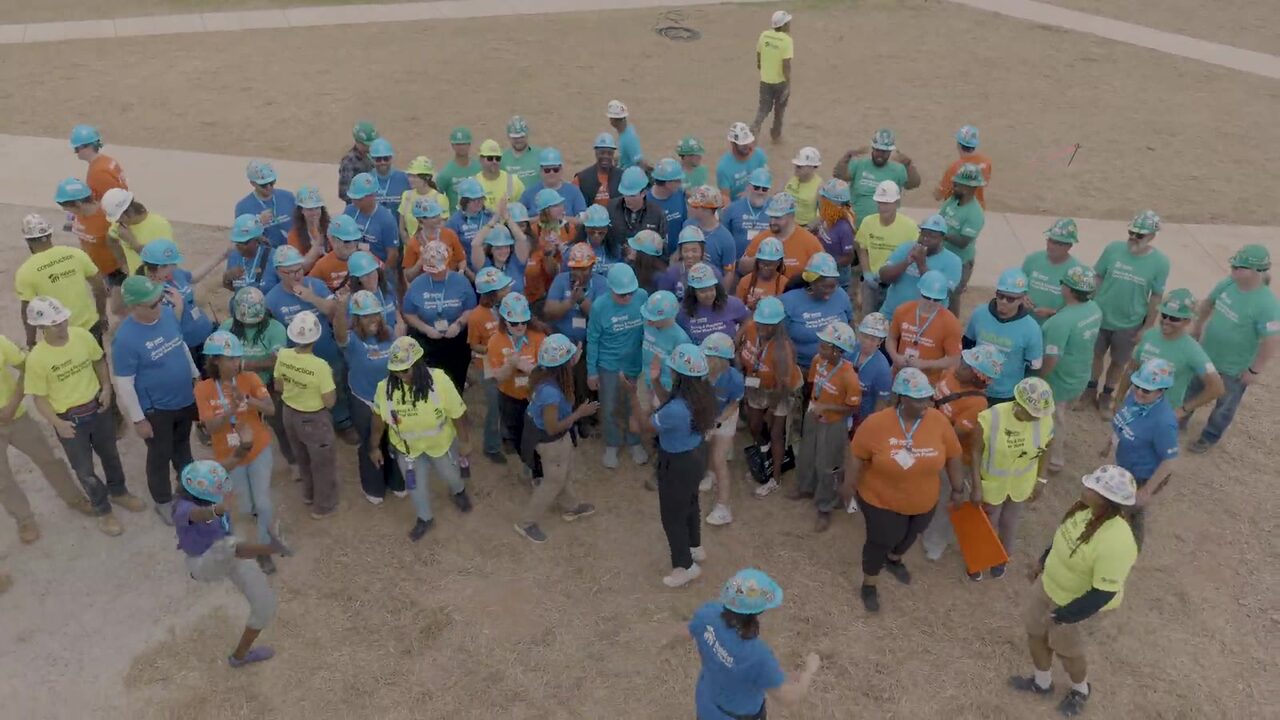
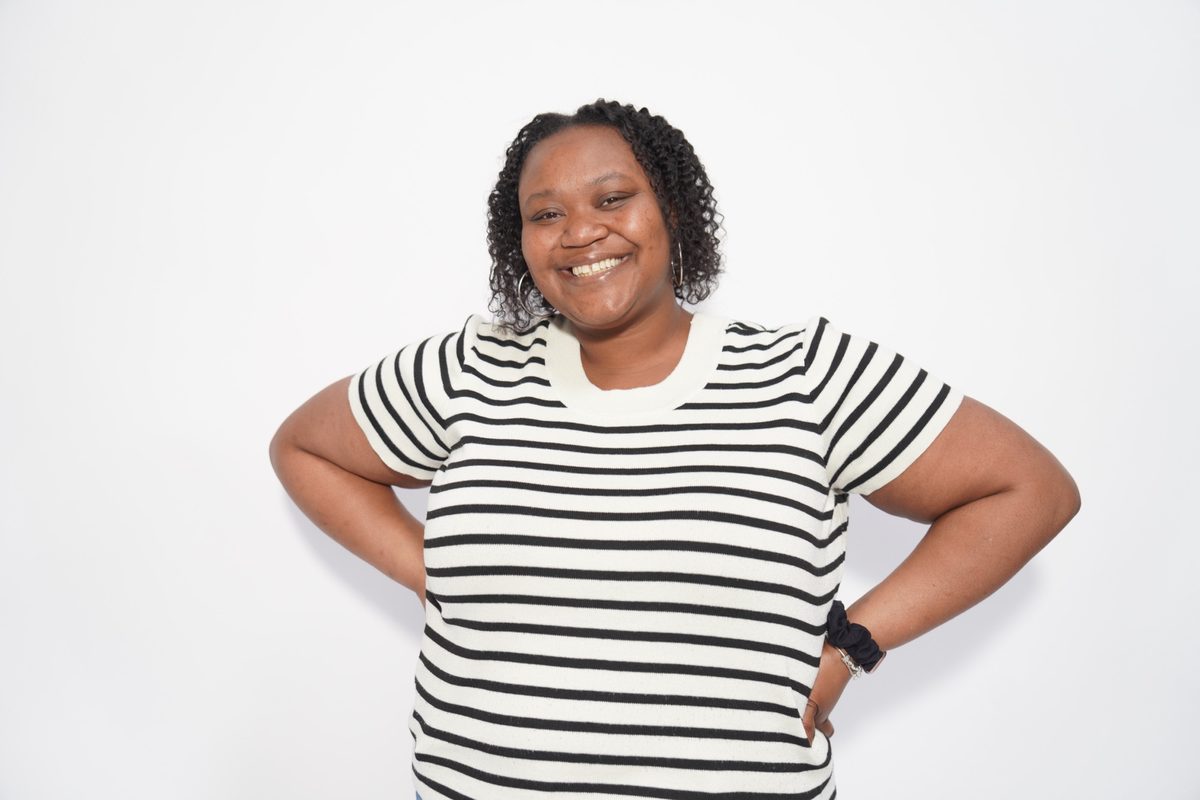
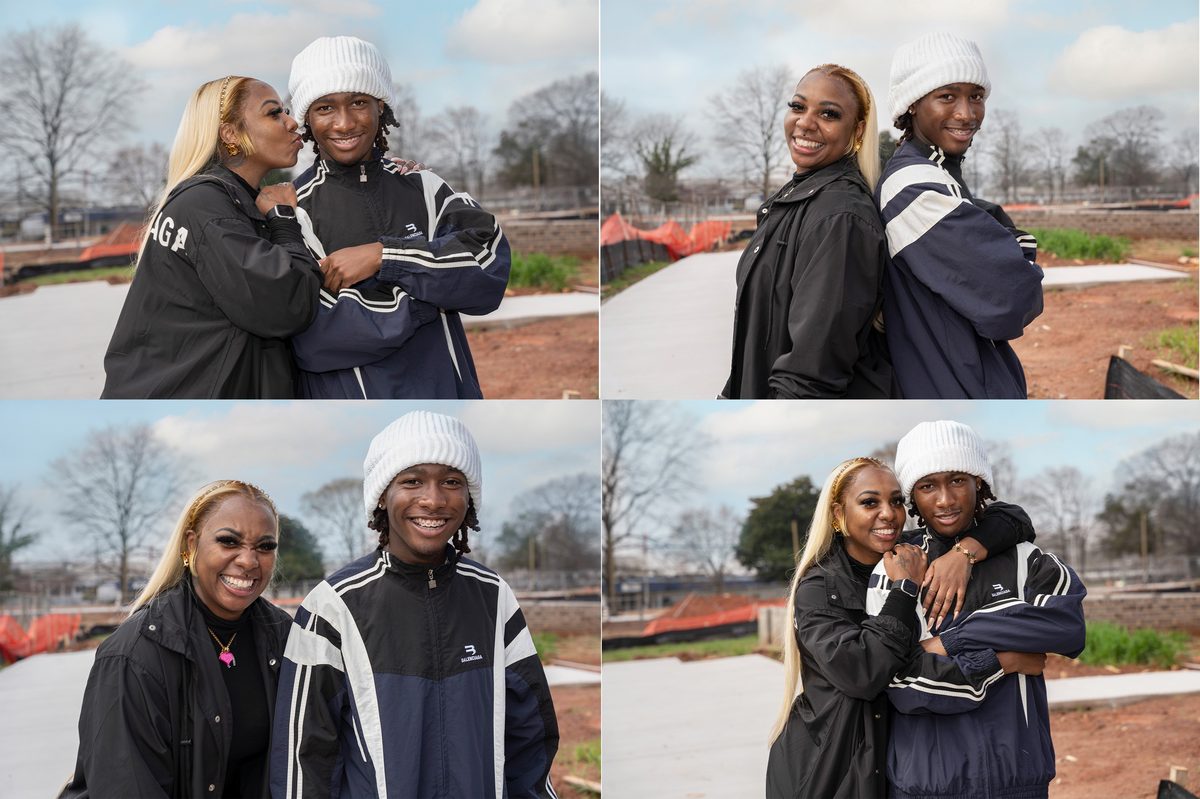
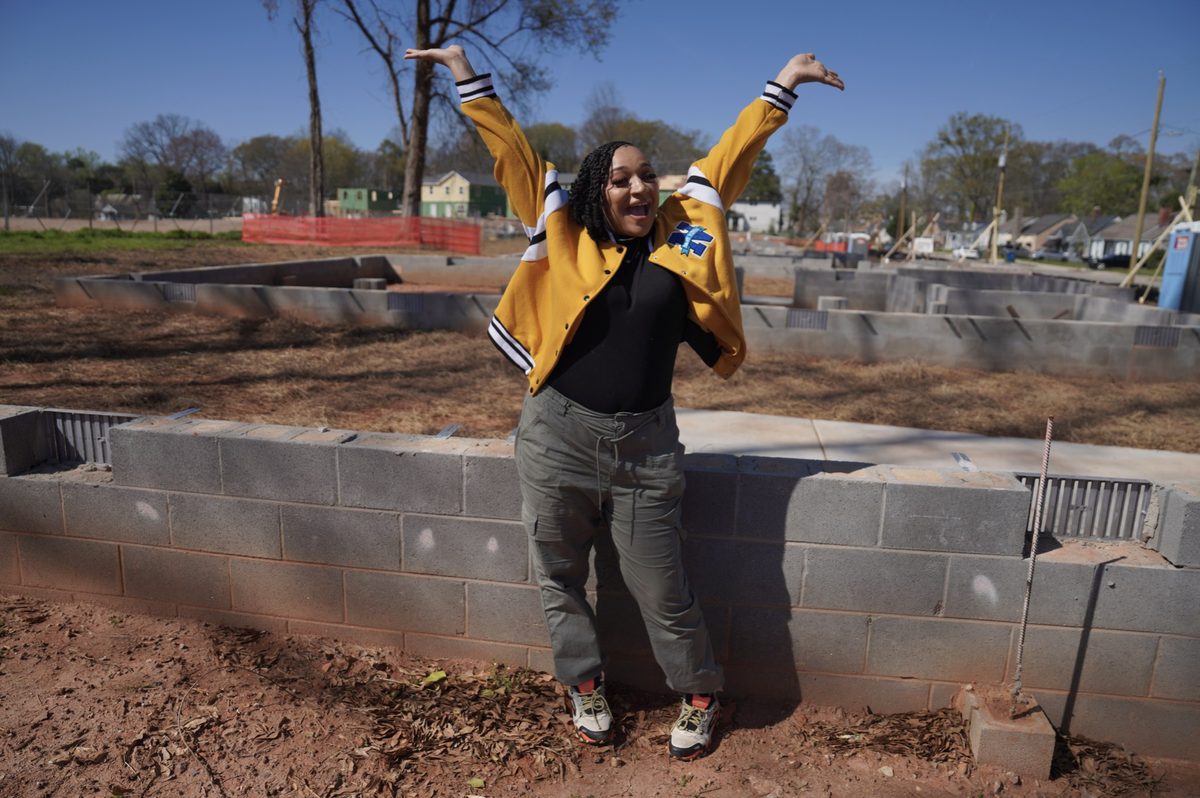
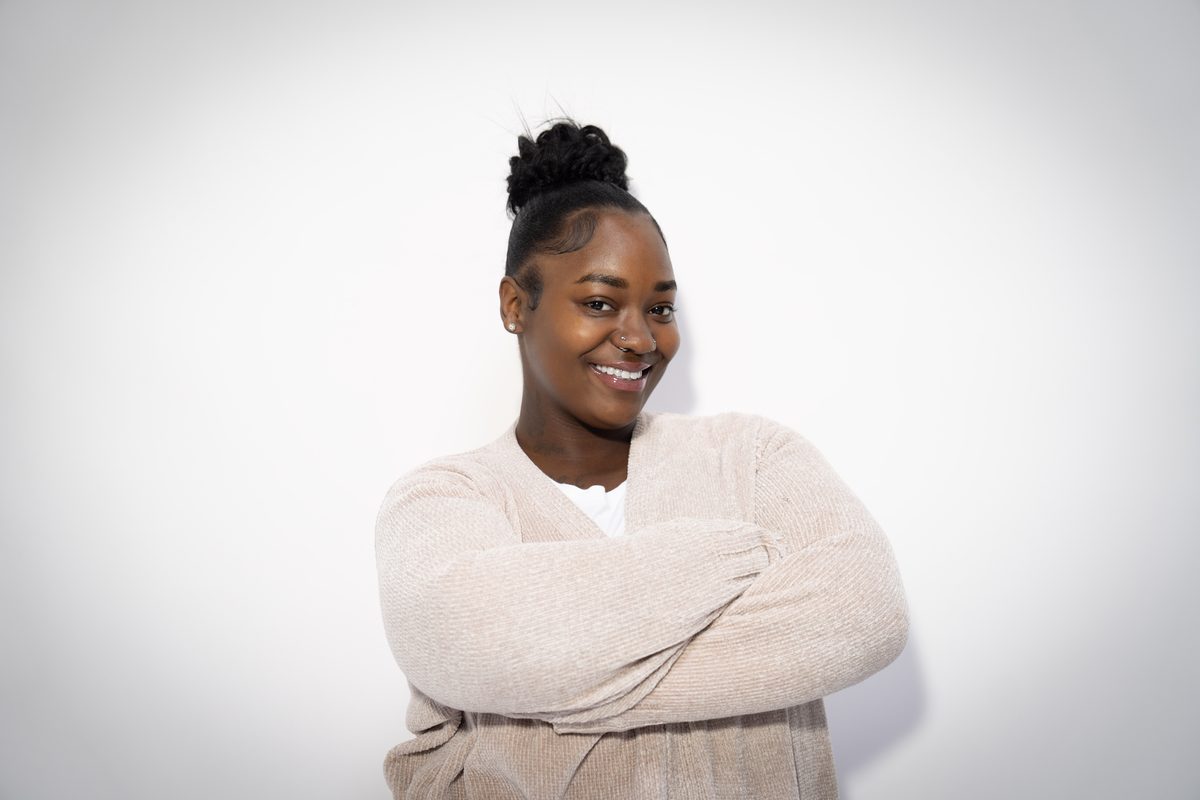
For Rachel, this build is full circle — a story that reaches back to her great-great-aunt's friendship with Jimmy Carter and forward into the home where her family will gather.
For Rachel, this journey began long before Langston Park.
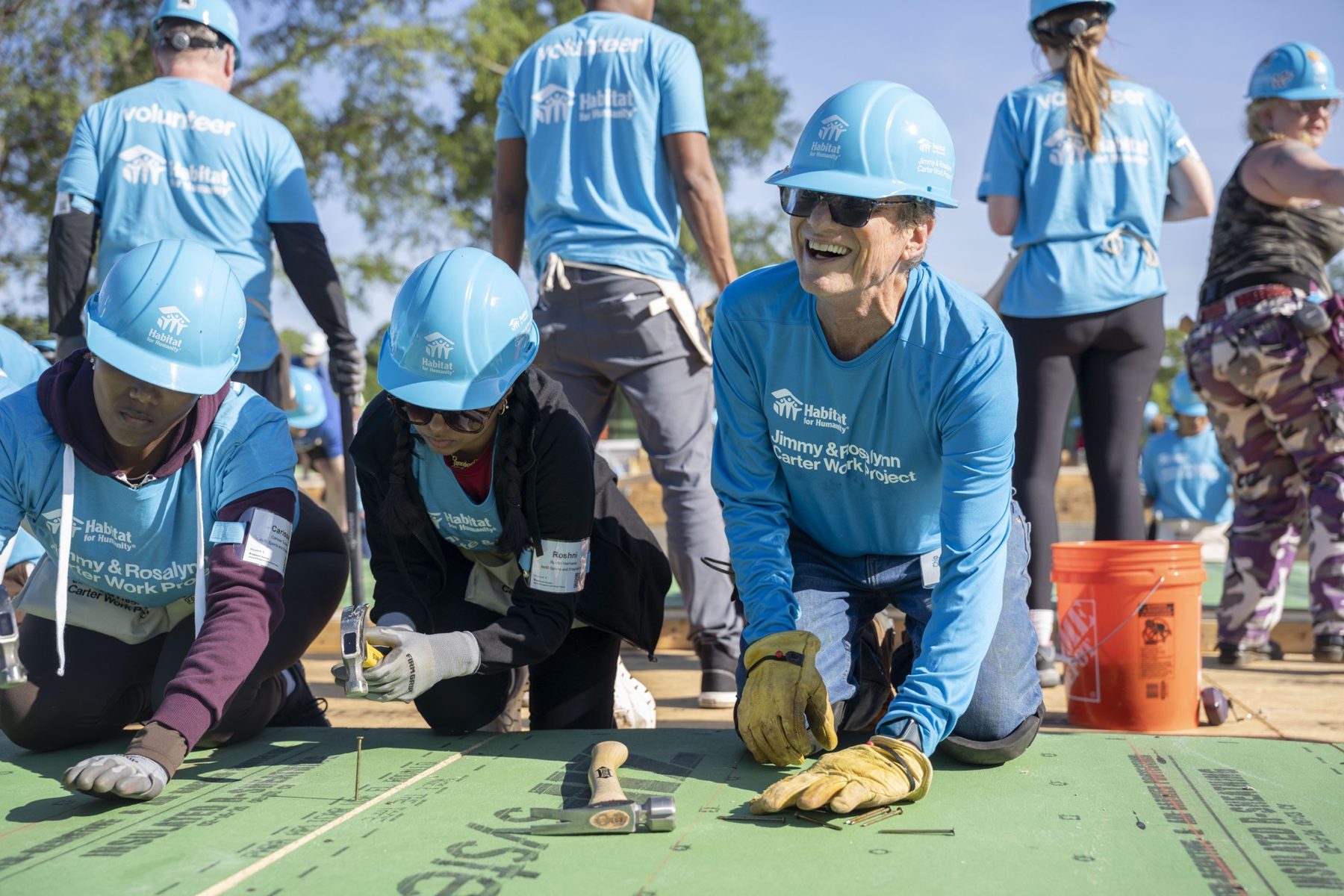
It began years ago, when she first learned about Habitat for Humanity as a college intern. Back then, she saw the process from the inside: the paperwork, the volunteer hours, the requirements, and the care it took to help families reach homeownership. She painted. She helped on build days. She learned what it meant for a home to be earned, built, and sustained. At the time, she could not have known that one day she would be walking that same path herself.
Now, after years of navigating rising rent, repeated application attempts to the home purchase program, and steady persistence, all while staying focused as a classroom teacher, Rachel is preparing to become a homeowner at Langston Park. She describes the process with one word: patience. It took multiple tries, financial discipline, and tunnel vision to get here. But she stayed on track because she knew what was on the other side of her faithful, patient journey.
“Patience.”Rachel
For Rachel, homeownership means permanence. It means being able to say, with certainty, I am home. It means her children and niece will always know where to return. It means family can gather, stay the weekend, celebrate holidays, and build memories in a place that belongs to them. It means no more wondering if another move is ahead. It means roots.
But Rachel's story carries another layer too. It is one that reaches back generations.
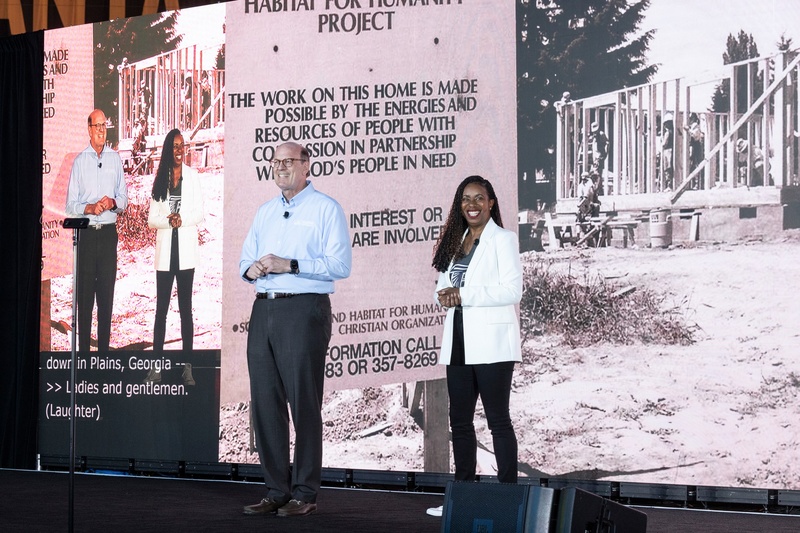
Her family has roots in Plains, Georgia, and her great-great-aunt Rachel Clark was close to Jimmy Carter when he was young. Her family remembers her aunt as someone who was woven into his early life. Her relatives lived on the Carter family land, and the stories passed down say that he remained close to her over the years, even attending her funeral and writing about her in one of his books. Rachel herself was named after that same aunt.
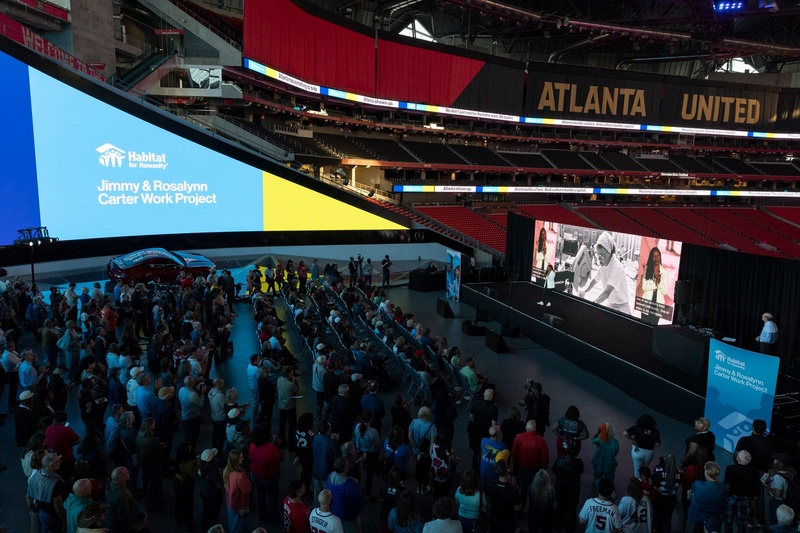
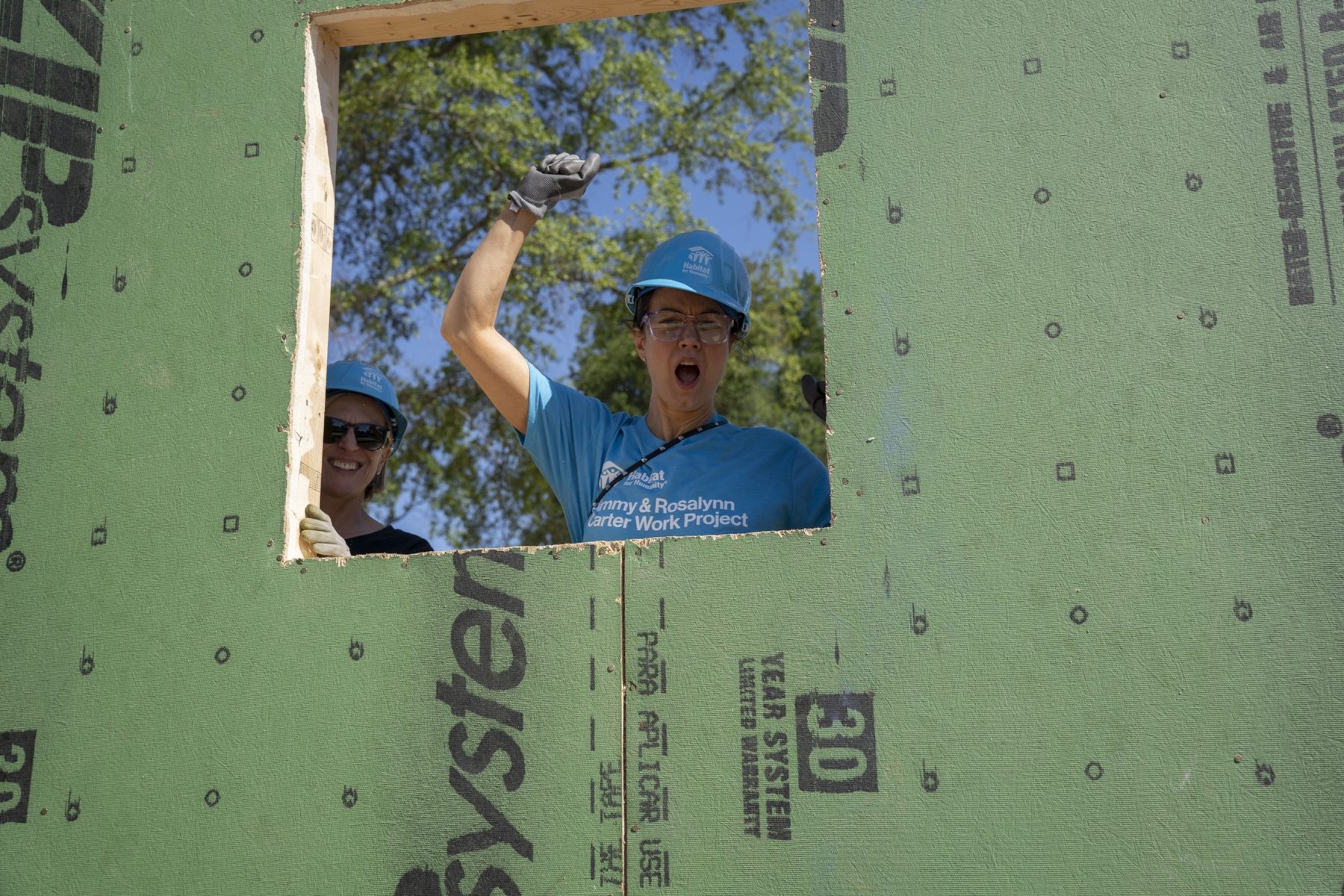
So, when she was accepted into Atlanta Habitat and learned she would be part of the Jimmy and Rosalynn Carter Work Project, it did not feel random. It felt deeply personal. It felt like history folding in on itself. It felt, in her words, full circle.
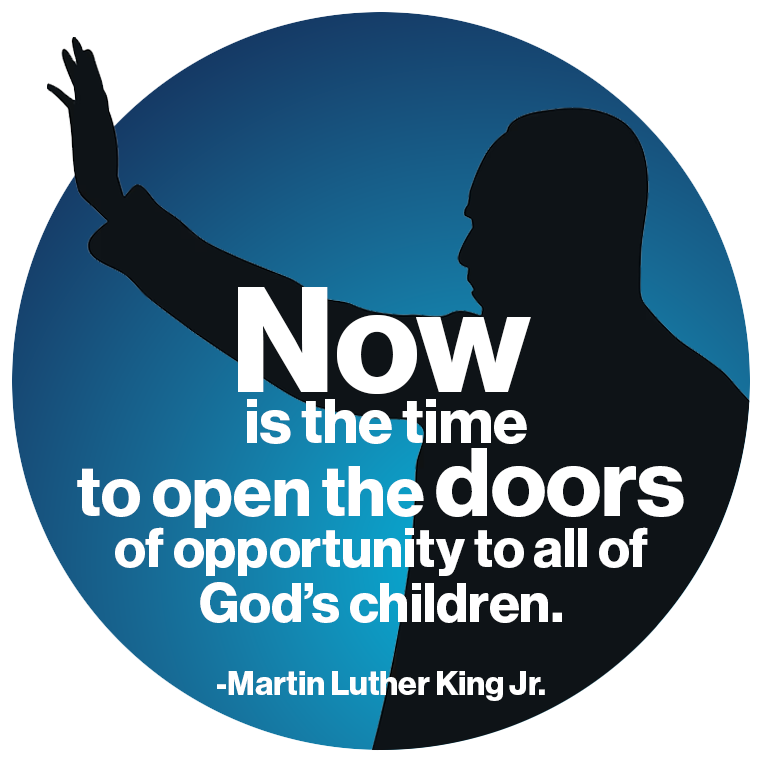
A woman named for a family matriarch who once played a part in Jimmy Carter's life is now building her own home through the legacy that he and Rosalynn Carter helped carry across the world. The connection is familial, and it is the kind of story that reminds people that kindness, dignity, and the way we care for one another can echo into the future.
Rachel also speaks with joy about what lies ahead. She has already imagined the lot, the colors, the porch, the way her home will feel. She has thought about where cars will park, how her family will move through the space, and what it will mean for her daughter, son, and niece to decorate rooms they know will be their own. She talks about MARTA being nearby, about being closer to the city, about becoming the home where family gathers. She wants to host gatherings and for her house to become the kind of place that makes her loved ones want to stay a while.
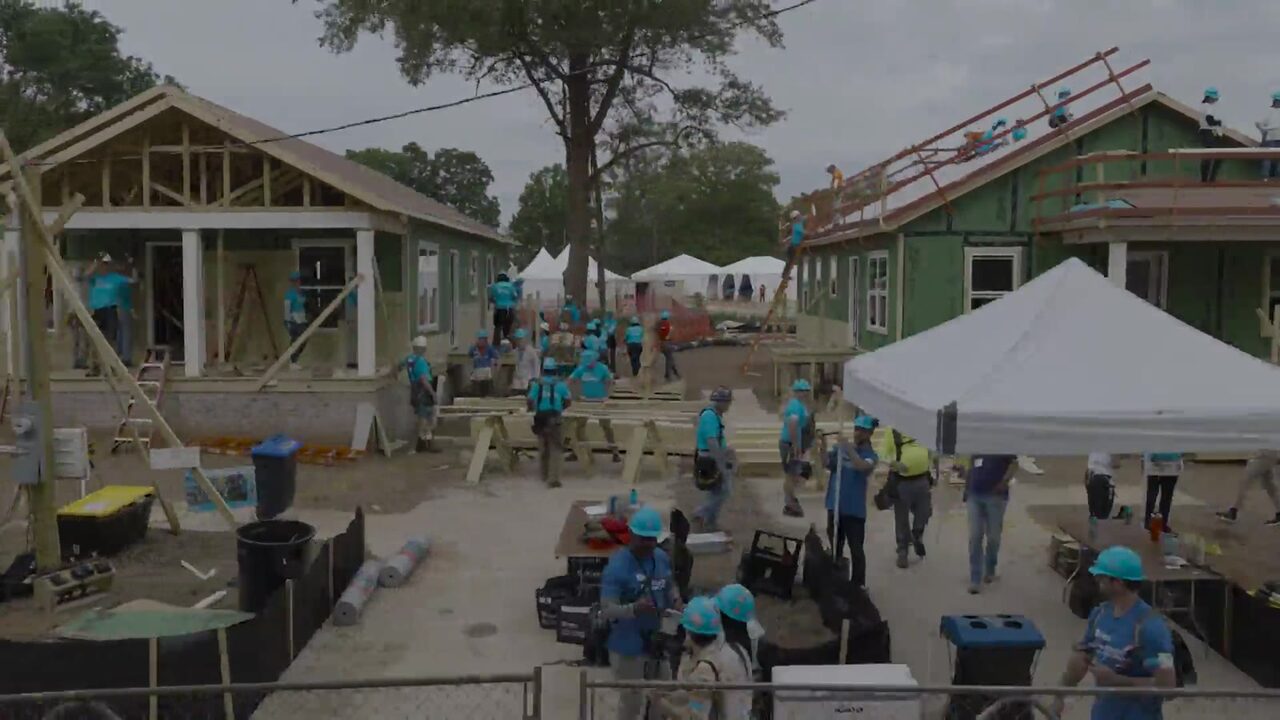
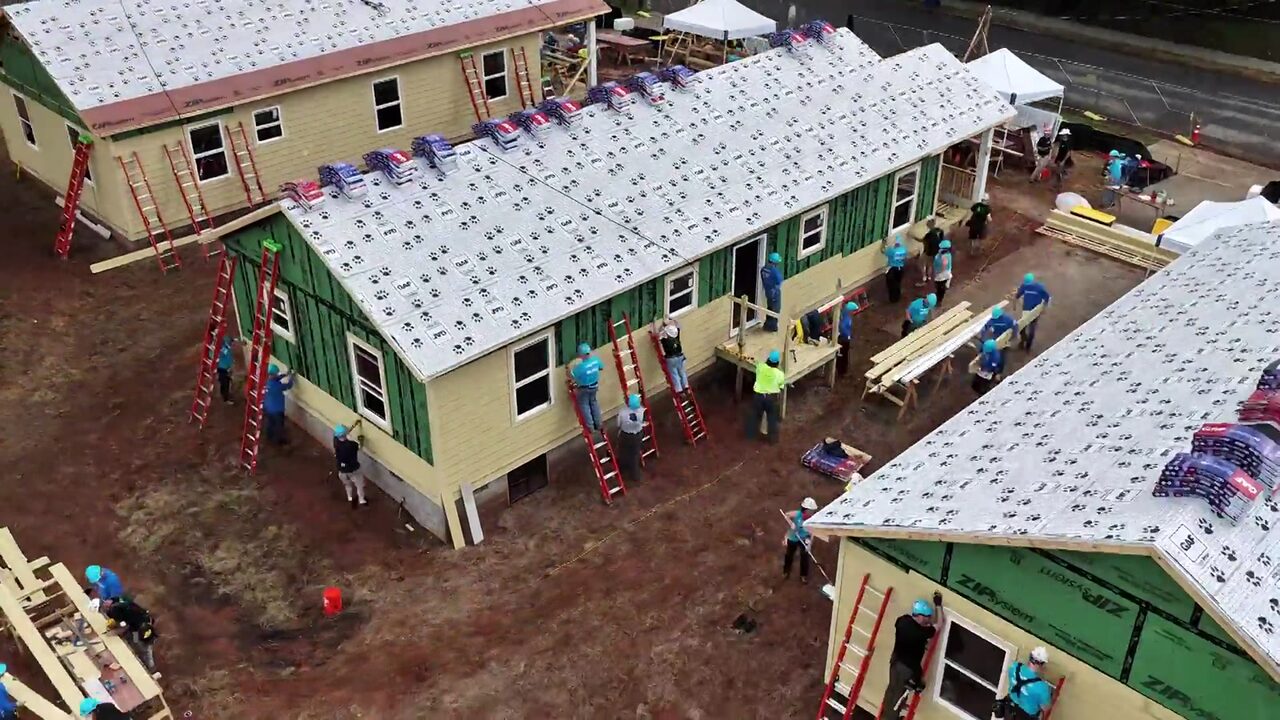
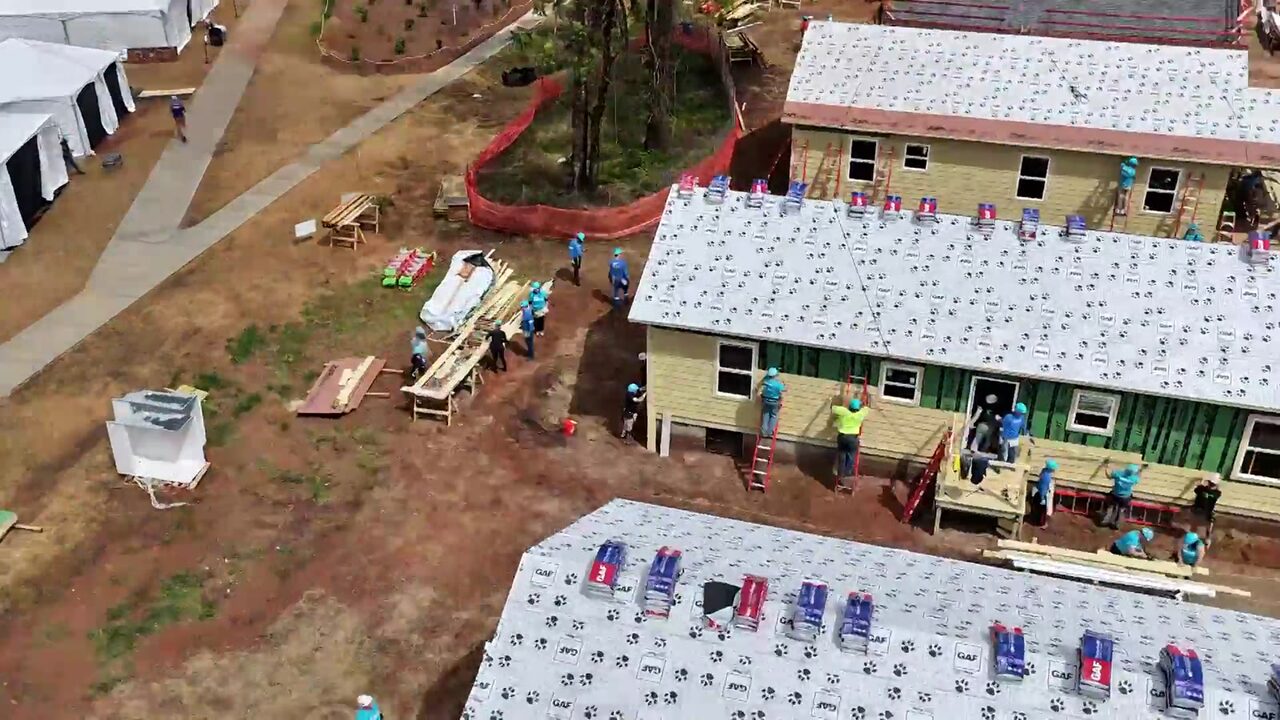
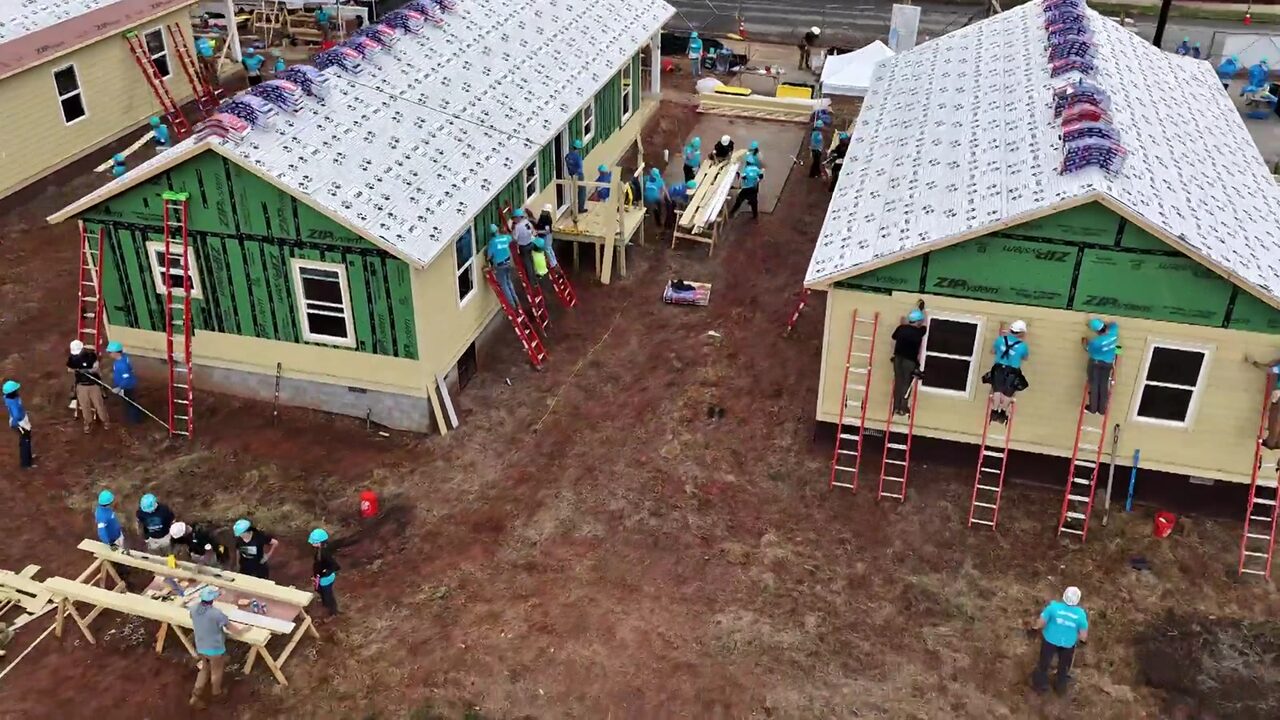
The Carter Work Project has always been about more than construction. It has been about the belief that a home can change the shape of a family's future. Rachel already knows that — first as a Habitat volunteer, and now as a Habitat homebuyer. She knows that owning a home is about peace of mind, family time, financial breathing room, and the chance to build something steady enough to pass on.
And perhaps that is why her story feels so fitting here as we close out this work week.
Rachel is stepping into a legacy — one tied to her family, to Atlanta Habitat, and to the lasting witness of Jimmy and Rosalynn Carter. For everyone who has shown up to build, her story is a reminder that this work reaches farther than lumber and paint. It reaches backward into memory and forward into generations still to come.
From Porch Paper, issue 10, May 8, 2026.